Selling your home in Gardner can feel overwhelming when you are trying to decide what actually matters before you list. The good news is you do not need a full renovation or a huge budget to make a strong impression. If you focus on the right prep steps in the right order, you can make your home feel cleaner, better maintained, and more move-in ready for buyers. Confidence comes from preparation, so let’s walk through it.
Why prep matters in Gardner
Gardner is an active market, and presentation can make a real difference. Recent market snapshots showed median days on market ranging from 19 to 27 days, with one report showing a 105% sale-to-list ratio in May 2026. That tells you buyers are paying attention, and homes that show well can stand out quickly.
The local housing picture also helps explain what many buyers may notice first. Gardner’s population has been growing, much of the housing is owner-occupied, and the city has a relatively large share of residents under 18. In practical terms, many buyers may care less about trendy design and more about space, storage, function, and whether the home feels ready to live in right away.
Start outside first
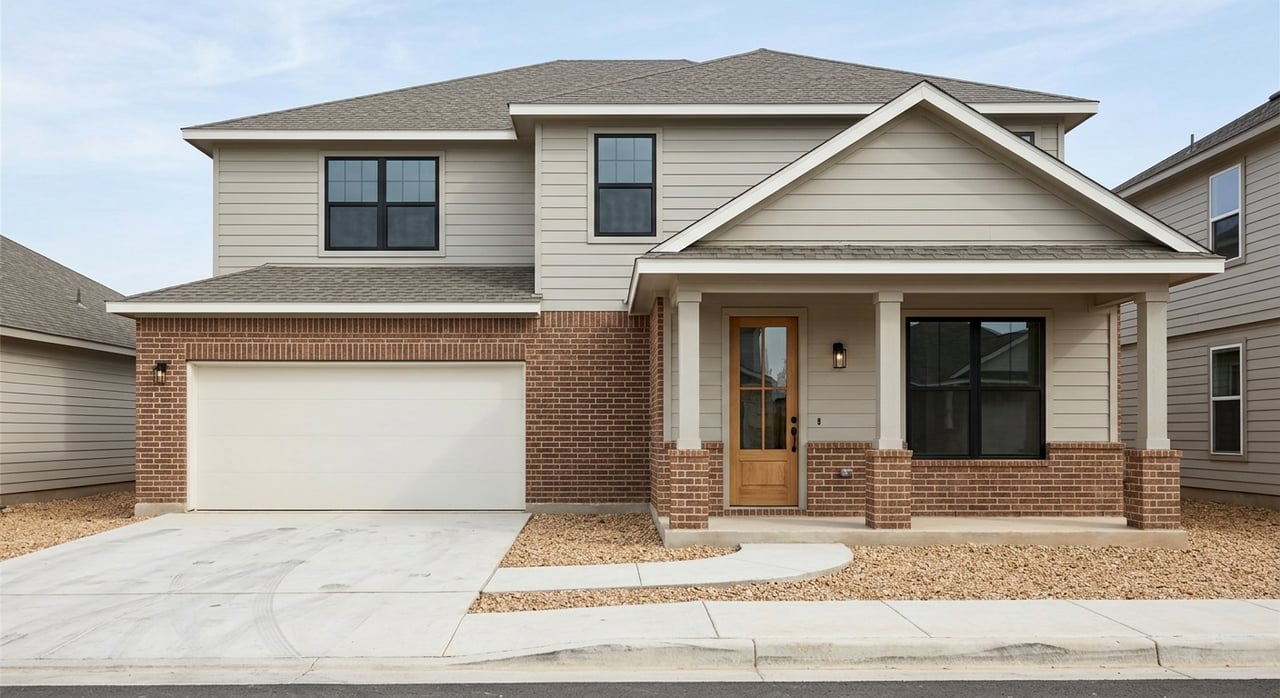
Your exterior sets the tone before a buyer ever walks through the front door. In Gardner, that matters even more because the city’s code enforcement priorities include tall grass and weeds, trash and debris, inoperable vehicles, land maintenance, and structure maintenance. If the outside looks neglected, buyers may assume the inside has been neglected too.
Focus first on simple, visible tasks that improve curb appeal fast. These updates are usually affordable and can make your home feel cared for from the first glance.
Curb appeal checklist
- Mow the lawn
- Edge sidewalks and driveway
- Trim overgrown shrubs
- Remove trash, clutter, and yard debris
- Move or address any inoperable vehicles
- Sweep or wash the front walk and driveway
- Touch up peeling paint
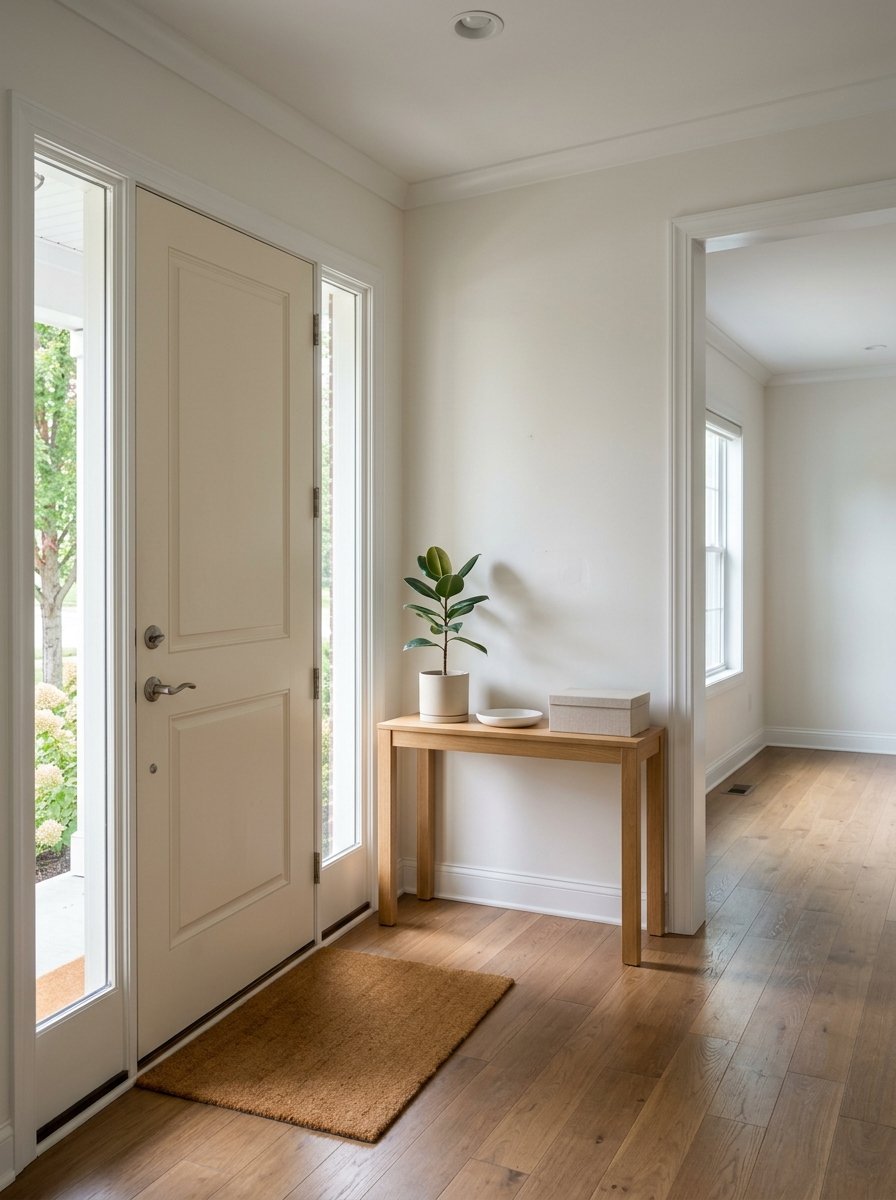
- Clean the front door and entry area
- Make sure the porch feels open and welcoming
If you are considering a bigger exterior project, check local requirements before starting. Gardner provides guidance for residential additions and improvements, so it is smart to confirm any larger work before spending time or money.
Declutter before you decorate
One of the biggest mistakes sellers make is trying to style a home before they have simplified it. Buyers need to see the space, not your stuff. Cleaning, decluttering, repairing, depersonalizing, and updating are all part of staging because they help buyers picture themselves in the home.
That matters because staging can influence how buyers respond. In the 2025 Profile of Home Staging, 83% of buyers’ agents said staging made it easier for buyers to visualize a property as a future home, 29% of agents said staged homes received a 1% to 10% increase in the dollar value offered, and 49% of sellers’ agents said staging reduced time on market.
What to remove first
- Extra furniture that makes rooms feel tight
- Personal photos and highly specific decor
- Countertop appliances you do not use daily
- Overflow items from closets and shelves
- Seasonal storage piled in corners or the garage
- Toys, pet items, and everyday paper clutter
Decluttering is not about making your home look empty. It is about making it feel spacious, functional, and easy to understand. In a market like Gardner, where buyers may be focused on layout and usability, that can go a long way.
Deep clean the rooms buyers notice most
If you cannot do everything at once, start with the rooms that tend to have the biggest impact. Staging research points to the living room as the most important room to stage for buyers, followed by the primary bedroom and the kitchen. That gives you a clear place to focus your time and budget.
A deep clean does more than make the home sparkle. It signals care, routine maintenance, and move-in readiness. Buyers often connect cleanliness with overall condition, even when they are not doing it consciously.
Prioritize these spaces
Living room
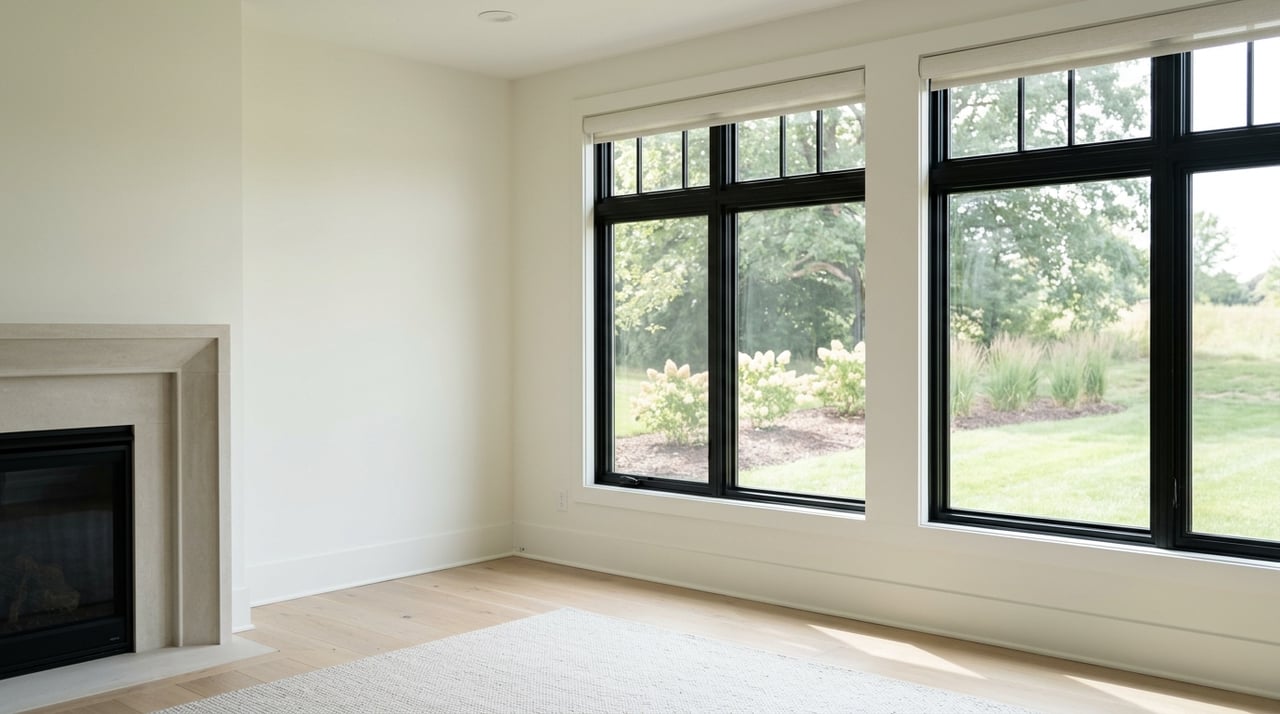
Clear surfaces, open the layout, and bring in as much light as possible. Clean floors, baseboards, windows, and ceiling fans. If the room feels crowded, remove one or two pieces of furniture to improve flow.
Primary bedroom
Keep bedding simple and neutral. Clear dressers and nightstands, and make closet storage look organized rather than packed. Buyers often open closet doors, so tidy storage matters.
Kitchen
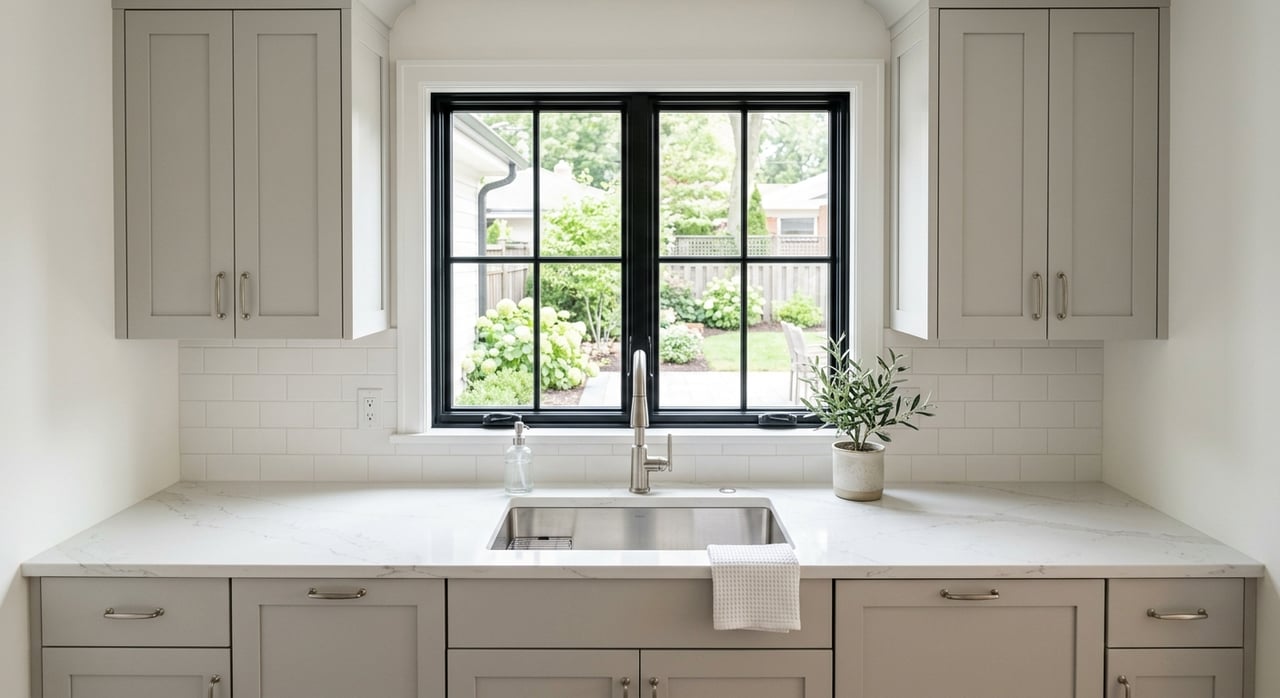
Clear counters except for one or two simple items. Clean cabinet fronts, appliances, backsplash, sink, and grout lines. Replace burnt-out bulbs and make sure the room feels bright.
Fix visible repairs before listing
Small repair issues can create bigger doubts than many sellers expect. A dripping faucet, missing handrail, cracked window glass, worn trim, or damaged screen may look minor to you, but buyers often read those details as signs of deferred maintenance.
This also matters from a financing and appraisal standpoint. Fannie Mae guidance notes that appraisers must report issues such as worn carpet, minor plumbing leaks, holes in window screens, missing handrails, and cracked window glass. It also states that physical deficiencies affecting safety, soundness, or structural integrity must be remedied before loan delivery.
In other words, your best pre-listing repair budget is often spent on the issues buyers can see right away. Repair-first preparation is usually more effective than waiting to negotiate repairs after you go under contract.
Repairs worth handling early
- Minor plumbing leaks
- Loose or missing handrails
- Cracked window glass
- Torn window screens
- Damaged trim or caulking
- Peeling paint
- Worn or visibly damaged flooring
- Doors that stick or do not latch well
- Loose cabinet hardware
Johnson County’s 2026 revaluation report also notes that property is appraised at fair market value as of January 1 and that county appraisals should generally fall within 90% to 110% of sale prices. That is one more reason visible condition matters. Clean presentation and obvious maintenance can support a smoother process after your home hits the market.
Keep updates simple and neutral
You do not need a major remodel to get your home ready to sell. In fact, current staging guidance points more toward a neutral canvas, simplified decor, and thoughtful presentation than a full renovation. For most Gardner sellers, that is a smarter and more practical path.
When a home is already priced near the market, smaller cosmetic improvements often make more sense than big discretionary projects. The goal is to help buyers see a home that feels easy to move into.
Smart cosmetic updates
- Neutral paint in heavily personalized rooms
- Brighter light bulbs for a cleaner feel
- Fresh, simple window coverings
- Updated cabinet hardware
- New or cleaned bathroom mirrors
- Re-caulk sinks, tubs, and backsplashes
- Clean or replace worn welcome mats
These are not flashy changes, but they can help the home feel fresher and more current. That is often enough to make a positive difference in photos, showings, and buyer confidence.
Follow a simple prep timeline
If you try to do everything at once, it is easy to lose momentum. A clear sequence helps you stay organized and spend money where it counts most. Strong decisions start with clear understanding, and your pre-list process should feel the same way.
Here is the order that usually makes the most sense for a Gardner home.
A practical pre-listing plan
- Declutter first so rooms feel larger and easier to clean.
- Deep clean next to improve the home’s overall impression.
- Handle visible repairs before photos and showings.
- Stage key rooms like the living room, primary bedroom, and kitchen.
- Finish exterior touch-ups so curb appeal matches the inside.
This order helps reduce distractions for buyers and can lower the chance that preventable issues come back up later during inspection or appraisal.
Focus on move-in readiness
In Gardner, buyers are likely comparing not just price but also condition, layout, and how much work a home will need after closing. A clean, functional, well-maintained home can feel more valuable than one with expensive upgrades but obvious unfinished details.
That is why the best prep plan is usually not the most dramatic one. It is the one that removes friction for buyers. When your home looks cared for, organized, and ready for the next owner, you make it easier for buyers to say yes.
If you want a clear plan for what to tackle before you list, Heather Brown can help you prioritize the updates that matter most and move forward with confidence.
FAQs
What should sellers in Gardner fix before listing a home?
- Sellers in Gardner should usually start with visible issues like leaks, peeling paint, damaged trim, cracked glass, missing handrails, torn screens, clutter, and exterior maintenance problems that affect first impressions.
What rooms matter most when staging a Gardner home for sale?
- The rooms to prioritize when staging a Gardner home are the living room, primary bedroom, and kitchen, since staging research shows those spaces matter most to buyers.
Do you need to renovate a Gardner home before selling?
- Most Gardner sellers do not need a major renovation before selling, because a repair-first plan with cleaning, decluttering, neutral updates, and light staging is usually the more practical approach.
What exterior issues matter most for a Gardner home sale?
- The exterior issues that matter most for a Gardner home sale include tall grass, weeds, trash, debris, inoperable vehicles, and visible structure maintenance concerns because those are among the city’s common code enforcement priorities.
Why does home condition matter for appraisal in Gardner?
- Home condition matters for appraisal in Gardner because visible maintenance and repair issues can affect how a property is evaluated, and Johnson County says appraisals should generally fall within 90% to 110% of sale prices.