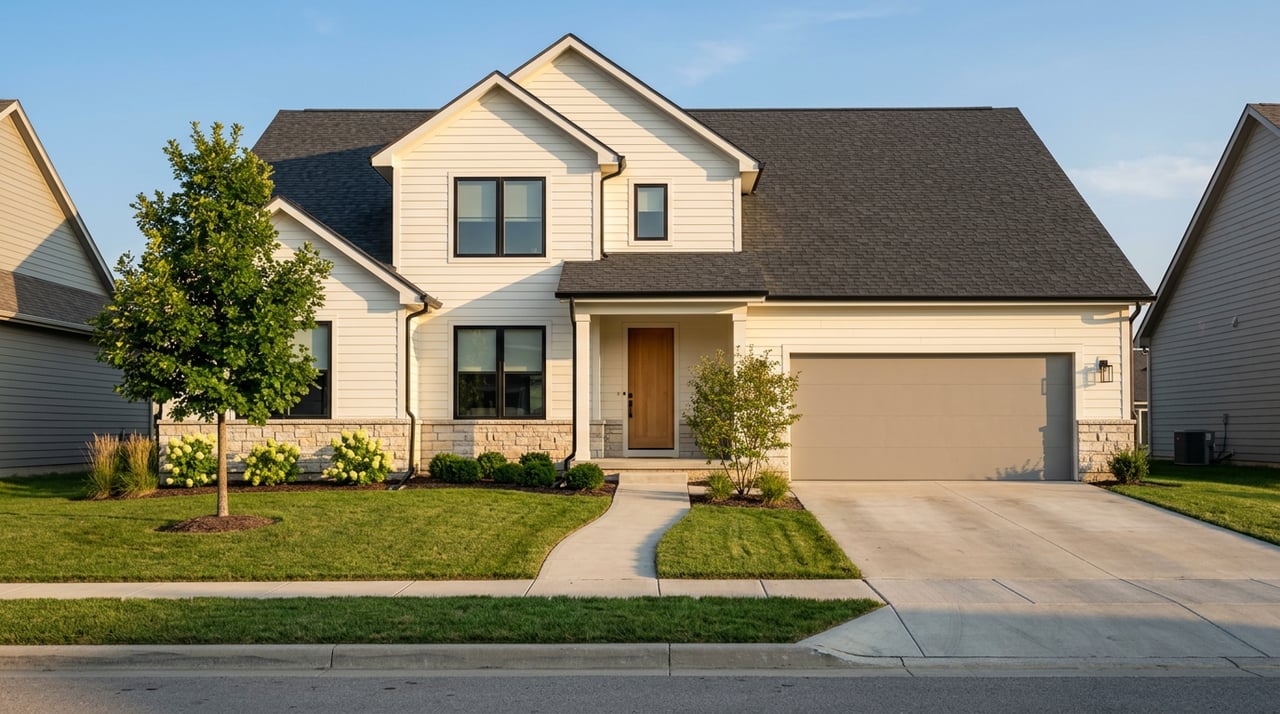
Thinking about planting roots in Kansas City, MO? You are not alone. Buyers love the mix of neighborhood styles, quick commutes, and plenty to do on evenings and weekends. In this guide, you will see what day-to-day life looks like for homeowners here, including real housing costs, commute options, parks and culture, schools and healthcare, and practical tips to feel prepared. Let’s dive in.
Kansas City home costs today
If you want a quick snapshot, the typical home value in the City of Kansas City, MO was about 245,199 as of late February 2026, with a city median sale price near 261,000 as of January 31, 2026. Typical city asking rents hover around 1,418 per month. These are city figures, not metro-wide. The larger Kansas City metro often runs higher and can move differently, so always compare city vs. metro data by date.
Property taxes are a key part of your monthly picture. Jackson County’s effective property-tax rate is commonly summarized around the 1.1 percent range based on public estimates, but actual bills vary by city, school district, and special assessments. Two similar homes on different blocks can carry different tax bills. It is smart to review local mill levies and verify a property’s most recent assessment using county records and summaries like the overview at Tax by County.
Affordability is one reason many people choose Kansas City. Missouri’s overall cost of living tends to sit below the U.S. average, and housing is a big driver of that difference. You can scan a simple index at BestPlaces’ Missouri cost of living page as a starting point, then layer in neighborhood-level data during your home search.
Neighborhood feel by area
Kansas City offers several distinct “daily rhythms.” Here are quick vignettes to help you picture life on the ground.
Downtown, River Market, and Crossroads
If you want a walkable routine with coffee shops, galleries, and events, downtown and the adjacent River Market and Crossroads districts are popular. You can ride the free KC Streetcar, meet friends for First Friday galleries, and walk to restaurants or shows. Many homes here are lofts or condos with convenient building amenities.
Plaza, Midtown, Brookside, and Waldo
These neighborhoods blend tree-lined streets with boutique shopping and dining. The Nelson-Atkins Museum of Art anchors the area, and you will find classic homes mixed with apartments and townhomes. Daily life often looks like weekend brunch, a museum visit, and a quick drive to errands.
Historic districts like Hyde Park, Pendleton Heights, and Northeast
Expect older housing stock including Craftsman and early 20th-century styles. Block-by-block character can vary. If you appreciate architectural detail and historic charm, you will find plenty to explore. Renovation potential and preservation details are common talking points.
East side and the Northland suburbs
Neighborhoods and nearby cities such as Independence, Raytown, Gladstone, Parkville, Liberty, and Lee’s Summit offer more suburban patterns. Think larger lots, garages, and a car-first lifestyle. School-district boundaries differ by address, so plan to verify assignments when comparing homes.
Getting around and commute
The city’s mean travel time to work is about 21.9 minutes, based on recent Census estimates. That is a citywide average and your commute will vary with your work location and preferred neighborhood. You can see the quick stat at U.S. Census QuickFacts.
Streetcar and buses
RideKC runs the regional bus network, and the KC Streetcar is a free, fixed-rail connector that now runs from UMKC to the River Market. The streetcar is excellent for coffee runs, dinner plans, and downtown errands. For most suburb-to-suburb trips, you will still plan on driving or using regional buses. Check hours and routes at RideKC.
Highways and daily driving
Day-to-day life is largely car-centric outside the densest core. Interstates and arterials link neighborhoods across Jackson County and into the Kansas suburbs. Parking is easier in suburban areas than in the city center, and drive times vary by corridor and time of day.
Rail travel for getaways
Union Station is an active Amtrak stop with the Missouri River Runner and the long-distance Southwest Chief, which is handy for car-free trips to St. Louis, Chicago, or cross-country travel. Explore schedules and services through the Great American Stations profile for Kansas City.
Parks, culture, and weekend life
Big parks and open space
Swope Park is the city’s largest green space, with more than 1,800 acres, plus the Kansas City Zoo and Starlight Theatre. It is a major draw for families and anyone who likes time outdoors. Learn more from the city’s tourism facts page on Swope Park.
Beloved neighborhood parks
Loose Park, about 75 acres, is a favorite for picnics, dog walks, and the rose garden. It sits close to central neighborhoods, so quick evening strolls and weekend meetups are easy. See park details at KC Parks’ Loose Park page.
Fountains, arts, and live performances
Kansas City’s fountains and public art shape the feel of many neighborhoods. The Nelson-Atkins, the Kauffman Center for the Performing Arts, and the 18th and Vine Historic Jazz District are cultural anchors that give you year-round options. Start with the Nelson-Atkins Museum for a free afternoon of art and green space.
Sports and seasonal fun
Football in the fall and baseball in the summer set the local calendar for many households. Tailgates, concerts, and community events at the Truman Sports Complex are part of the rhythm of life, especially on weekends.
Schools, healthcare, and everyday needs
Schools
The public school landscape within the city and surrounding suburbs varies by geography and district boundaries. Several suburban districts serve parts of Jackson County. Community investment is an ongoing topic, highlighted by recent local reporting on school bond measures in districts such as Lee’s Summit and Park Hill. You can read context in this Beacon News piece on bond proposals. Always confirm boundaries, programs, and transfer policies directly with each district.
Healthcare
Kansas City is a regional medical hub with major systems and teaching hospitals. The UMKC School of Medicine lists local affiliates that include Children’s Mercy, Saint Luke’s, and University Health or Truman Medical Center. If proximity to care matters to your household, explore the UMKC hospital affiliates list as a quick overview of clinical depth in the area.
Everyday shopping and services
Day-to-day errands are easy to plan. Country Club Plaza offers shopping and dining, while Brookside, Waldo, and Westport have neighborhood retail strips for groceries, coffee, and services. Larger suburban centers cover warehouse and big-box shopping.
Practical tips that make daily life easier
Homeownership is not just the mortgage. Here are factors that shape your routine and budget.
- Weather and seasons. Expect humid summers, cold winters, and a spring severe-weather season. Plan for yard care, storm-readiness, and insulation or HVAC tune-ups on a seasonal schedule.
- Insurance and flood risk. Premiums vary based on floodplain status and storm exposure. Check FEMA flood maps for any property near the Missouri or Blue Rivers and get quotes from a few local insurers early in your search.
- Safety and local checks. Citywide crime rates are higher than national averages on recent FBI data, but patterns are highly localized by neighborhood and even by block. Review official resources like the FBI Crime Data Explorer and compare with neighborhood-level tools.
- Taxes and carrying costs. Jackson County’s effective rate tends to run above the Missouri average, and bills vary by district. Review current assessments, levies, and special districts before you write an offer. A quick source to understand effective rates is Tax by County’s Jackson County summary.
- Cost of living context. Missouri’s overall cost index runs below the U.S. average. Start with the state-level snapshot at BestPlaces and then refine by neighborhood.
A quick pre-move checklist
- Test-drive your commute at the time you expect to travel.
- Verify school boundaries and program options directly with each district.
- Pull the most recent county tax assessment and ask about special assessments.
- Check FEMA flood maps and price homeowners insurance with local carriers.
- Walk the neighborhood at different times of day to understand traffic and noise.
- If considering an older home, plan for a thorough inspection and a clear repair budget.
How I help you settle in with confidence
You deserve a clear, calm path from search to keys. My approach is simple. Preparation first, decisions second. As an engineer and project manager in construction, I bring a build-smart lens to every tour and contract. I help you spot red flags, weigh upgrade choices on new construction, and plan inspections and warranties without guesswork.
If you are a first-time buyer, I will map out the steps, explain each term, and pace the process so you never feel rushed. If you are using VA benefits, I understand the timelines, appraisal nuances, and paperwork that matter for a smooth VA-backed purchase. If you are weighing a resale versus a new build, I will help you compare total cost of ownership, builder quality, and the small details that add up over time.
Ready to see if Kansas City living fits your life and budget? Let’s plan your next step together with organized guidance and steady advocacy. Reach out to Heather Brown to start your search or request your Free Home Valuation.
FAQs
What is the average home price in Kansas City, MO right now?
- The typical home value is about 245,199 as of late February 2026, and the city’s median sale price is near 261,000 as of January 31, 2026, with actual prices varying by neighborhood and home type.
How long is the typical commute for Kansas City homeowners?
- The citywide mean travel time to work is about 21.9 minutes, according to recent estimates from U.S. Census QuickFacts.
What are property taxes like in Jackson County, MO?
- Effective rates are often summarized near 1.1 percent, but bills vary by city and school district, so check the local levy and recent assessment or review the overview at Tax by County.
Is public transit useful for daily commuting in Kansas City?
- The free KC Streetcar is great for downtown and Plaza trips, while RideKC buses serve regional routes, but many suburb-to-suburb commutes are faster by car, so plan based on your specific origin and destination using RideKC.
What are the biggest parks and what do they offer?
- Swope Park spans more than 1,800 acres with the zoo and Starlight Theatre, and Loose Park covers about 75 acres with a rose garden and trails; see details at Visit KC’s Swope Park facts and KC Parks.
How should I evaluate schools across the Kansas City area?
- District boundaries vary by address, so confirm assignments and programs with each district and review local context like reported bond measures mentioned in this Beacon News article.