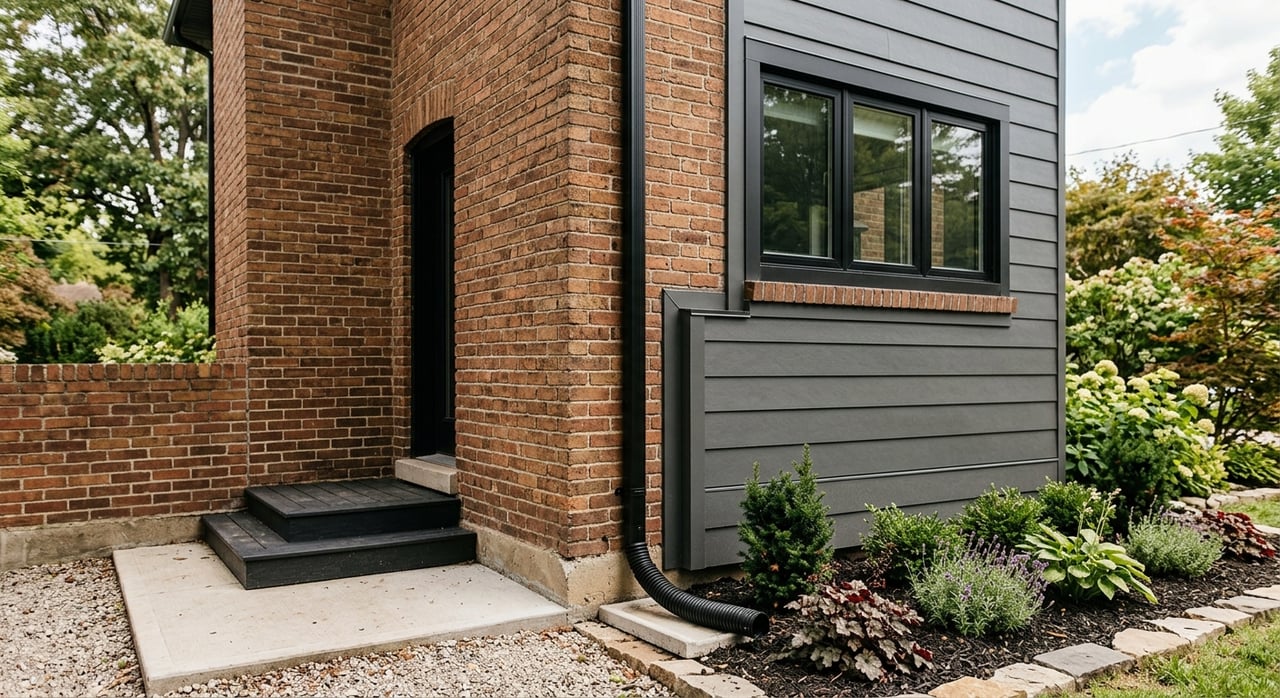
Buying in North Kansas City can get tricky fast when a home looks fresh online but has decades of history behind the walls. If you are weighing an older home against one that seems fully updated, it helps to slow down and separate charm from condition. The good news is that with the right questions and a clear comparison process, you can make a confident decision based on facts, not just finishes. Let’s dive in.
Why this matters in North Kansas City
North Kansas City has a meaningful supply of older housing, including hundreds of homes built in 1939 or earlier and hundreds more from the 1940s. That means age alone is not unusual here, and many buyers will be comparing homes with very different levels of renovation and maintenance.
That local context matters because an older home is not automatically a problem, and an updated home is not automatically the better value. In North Kansas City, the real question is whether the home has been truly improved at the system level or simply refreshed on the surface.
North Kansas City also adopts the 2018 International Property Maintenance Code, and the city says its Community Development Department conducts systematic inspections of commercial and residential properties. That means exterior condition, visible upkeep, and code-related issues are worth taking seriously when you tour homes.
What “updated” should mean
In many listings, “updated” can mean almost anything. A home may have new paint, cabinets, countertops, carpet, or tile and still have older wiring, aging plumbing, an older roof, or original HVAC equipment.
That distinction is especially important in North Kansas City because finish work like painting, papering, tiling, carpeting, cabinets, and countertops does not require a permit. But many bigger projects do, including additions, structural alterations, roof work, decks, driveways, HVAC changeouts, electrical alterations, service changes, plumbing repairs, and water heater work.
The city also requires inspections during permitted projects and a final Certificate of Occupancy or passed final inspection before a remodeled structure can be occupied. So when a seller says a home was remodeled, you should want to know whether that remodel included permitted work on the home’s core systems.
Older homes can offer value
Older homes in North Kansas City often appeal to buyers who want character, established streets, and a chance to build equity through thoughtful improvements. If the structure and major systems are sound, an older home can be a smart purchase.
The key is to avoid assuming that “older” means “poor condition.” Some older homes have had meaningful improvements over time, including updated electrical service, newer plumbing components, roof replacement, HVAC upgrades, or insulation work.
When those upgrades are documented well, an older home can compare very favorably with a recently refreshed property. Confidence comes from preparation, and that starts with understanding what has actually been replaced, repaired, or upgraded.
Updated homes can reduce near-term surprises
A genuinely updated home may offer more predictability in the first few years of ownership. If major systems have been replaced recently and the work was properly permitted and inspected, you may face fewer immediate repair costs.
That said, not every updated home is updated in the same way. A beautiful kitchen does not tell you whether the electrical panel was changed, whether plumbing lines were improved, or whether the HVAC system was replaced under permit.
This is where a careful, system-by-system review matters most. Strong decisions start with clear understanding, especially when the finishes are doing a lot of the talking.
Compare structure before style
When you walk through an older or updated home, start with the parts that are hardest and most expensive to fix later. HUD guidance for residential rehabilitation and inspection points buyers toward the site, exterior, interior, and core systems, including structural, electrical, plumbing, and HVAC.
In practical terms, that means you should notice more than paint color and countertop material. Look for signs that the home performs well, stays dry, and has been maintained with long-term function in mind.
Structure and moisture
Watch for settling, cracks, previous patching, or damp areas in structural spaces. These signs do not always mean a deal is off, but they do mean you need more information.
If an older home has been cosmetically updated, ask whether walls were opened during the work and what was found behind them. That question can reveal whether the improvements were deep enough to address hidden issues or mostly limited to appearance.
Roof and exterior systems
Ask about roof age, gutter condition, and leak history. A home can feel move-in ready inside while still needing major exterior work soon.
North Kansas City requires permits for roof work, which gives buyers a useful checkpoint. If the roof was replaced or significantly altered, ask whether that work was permitted and whether the final inspection was completed.
Electrical system
Electrical updates are a major part of evaluating an older home. Ask about the panel age, service changes, visible wiring condition, and whether any rewiring or service upgrades were completed under permit.
North Kansas City’s adopted codes include the 2017 National Electrical Code. For buyers, that means permitted electrical work in an older home should have been reviewed against current code expectations at the time of the project.
Plumbing and water heater
Plumbing age and material matter, especially in older housing stock. Ask about pipe materials, leak history, water pressure, and whether plumbing repairs or water heater replacement were completed with permits.
A home with new fixtures but older plumbing lines may still carry near-term costs. This is one of the easiest places for buyers to confuse fresh finishes with meaningful infrastructure updates.
HVAC and comfort
Ask for the age of the furnace and air conditioner, any maintenance records, and whether a changeout permit exists. HVAC replacement is on North Kansas City’s permit list, so this is another area where documentation can help you confirm what was really updated.
Comfort also matters day to day. A house may look polished but still feel drafty, uneven in temperature, or expensive to heat and cool if the building envelope has not been improved.
Insulation and air sealing
The U.S. Department of Energy notes that many older homes have less insulation than homes built today. It also says a home energy assessment can identify insulation and air-sealing needs.
That matters because energy performance is part of livability and budgeting. If you are deciding between an older home and an updated one, ask whether any energy assessment was done and whether insulation or air-sealing gaps were identified.
Cosmetic refresh vs true renovation
One of the most useful ways to compare homes in North Kansas City is to put them into one of two buckets: cosmetically refreshed or systemically updated. That simple framework can keep you from overpaying for appearances.
A cosmetically refreshed home may include:
- New paint
- New flooring
- Updated cabinets
- New countertops
- New tile or backsplash
- New lighting fixtures
A systemically updated home is more likely to include:
- Permitted electrical upgrades
- Plumbing repairs or replacements
- Water heater replacement
- HVAC changeout
- Roof work
- Structural alterations with approvals
- Final inspections or Certificate of Occupancy documentation
Neither category is automatically right or wrong for you. But you should price and plan for them differently.
Questions to ask before you offer
If you are serious about a home, get specific. Clear questions often tell you as much as the answers.
Here are smart questions to ask the seller, listing agent, inspector, or contractor:
- Which permits were pulled for the work?
- Can you provide the final inspection report or Certificate of Occupancy for remodeled areas?
- What is original and what is new: roof, electrical service, plumbing, water heater, HVAC, insulation, or windows?
- Were any walls opened during renovation, and what was found behind them?
- Are there maintenance records for major systems?
- Was a whole-house energy assessment completed?
These questions help you compare apples to apples. They also help you estimate what your budget may need to cover after closing.
Special issues in older homes
Older homes often come with a few extra items that deserve direct attention. In North Kansas City, two of the biggest are lead-based paint and radon.
Lead-based paint in pre-1978 homes
For most homes built before 1978, federal rules require sellers to disclose known lead-based paint hazards before sale or lease. Buyers of most of these homes also have the right to know about lead hazards before signing, and sellers must provide the required lead information and a 10-day opportunity for an inspection or risk assessment.
If renovation work was done in a pre-1978 home, ask whether lead-safe practices were used and whether records are available. This is especially important if walls, trim, windows, or painted surfaces were disturbed.
Radon testing in Missouri
The Missouri Department of Health and Senior Services says radon testing related to legal transactions should be done by a professional radon contractor. The department also notes that testing should occur at the lowest occupied level, and if a second test result is over 4 picocuries, action should be taken to lower radon levels.
If a home has already been tested, ask for the results and whether any mitigation was completed. If it has not been tested, that may be a smart item to discuss during your inspection period.
How to make the best choice for your budget
If you are comparing an older home with a more updated one, think beyond the purchase price. A lower-priced older home may still be the better fit if you have room in your budget for future improvements and the structure is solid.
On the other hand, a more updated home may make sense if you want fewer near-term projects and more predictable ownership costs. The right choice depends on your budget, timeline, comfort with repairs, and how much uncertainty you are willing to take on.
A simple way to evaluate both options is to compare:
- Purchase price
- Estimated near-term repairs
- Permit and inspection documentation
- Age of major systems
- Expected comfort and energy performance
- Your available cash after closing
When you look at homes this way, the picture usually gets clearer fast.
Why a clear process matters
In a market with older housing stock, preparation protects you. North Kansas City buyers do best when they look past staging and ask for the paper trail behind the updates.
That is especially true if you are a first-time buyer, a buyer using earned benefits, or anyone who wants to avoid expensive surprises. A calm, organized process helps you compare homes based on condition, documentation, and likely ownership costs, not just surface appeal.
If you want help sorting through older versus updated homes in North Kansas City, Heather Brown can help you evaluate the details, ask the right questions, and move forward with confidence.
FAQs
What should buyers compare first in older North Kansas City homes?
- Start with structure, moisture, roof, electrical, plumbing, HVAC, and insulation before focusing on cosmetic finishes.
What counts as an updated home in North Kansas City?
- A truly updated home usually has documented improvements to major systems, not just new paint, flooring, cabinets, or countertops.
Do remodeling projects in North Kansas City require permits?
- Many do. North Kansas City requires permits for projects such as structural alterations, roof work, HVAC changeouts, electrical changes, plumbing repairs, water heaters, decks, driveways, and additions.
Why do permits matter when buying a remodeled home in North Kansas City?
- Permit history and final inspections can help you confirm whether important work was reviewed and completed through the city’s process.
Should buyers test for radon in North Kansas City homes?
- Missouri DHSS says radon testing tied to legal transactions should be done by a professional radon contractor, and action should be taken if a second test result is over 4 picocuries.
What should buyers know about lead-based paint in older homes?
- For most pre-1978 homes, sellers must disclose known lead-based paint hazards and provide buyers with required lead information and an opportunity for inspection or risk assessment.